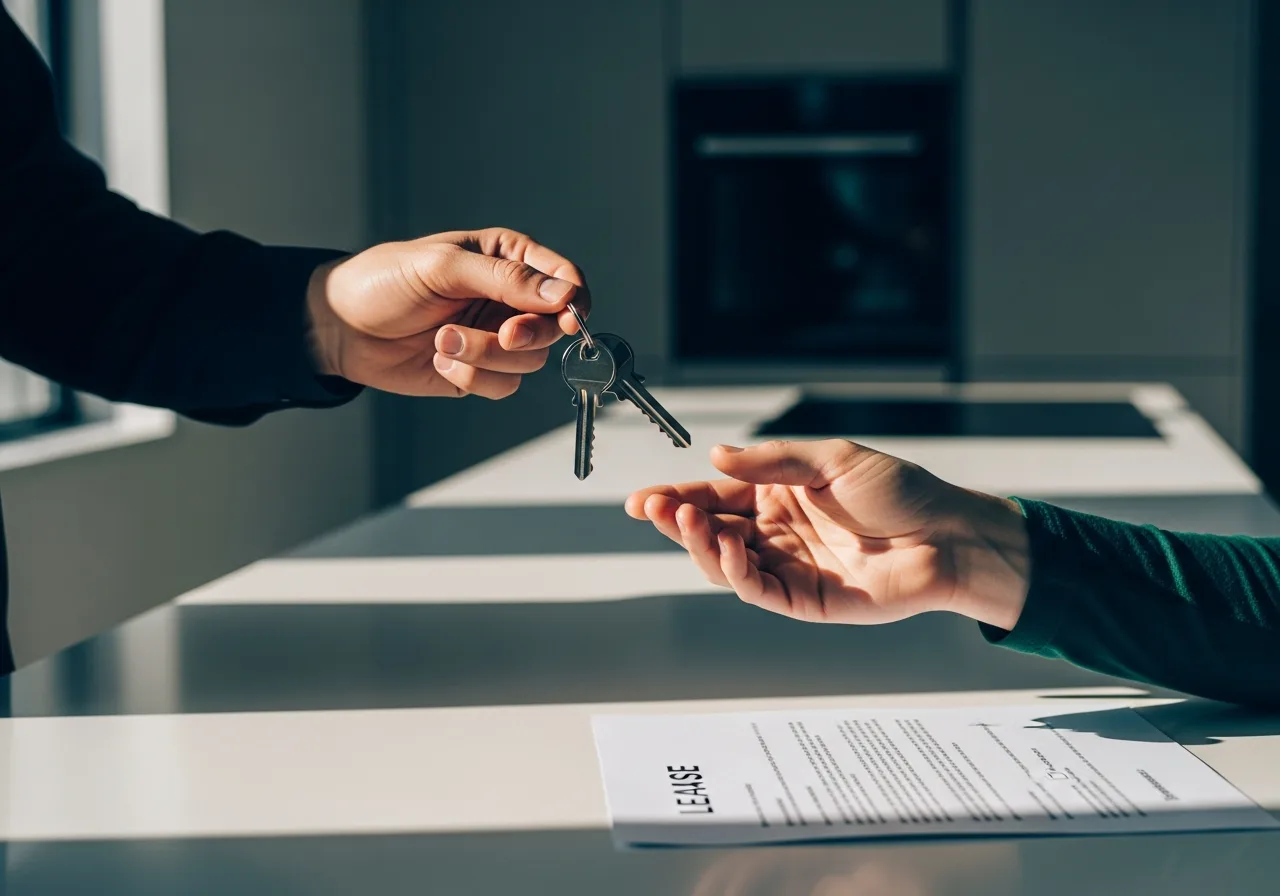
Most insurance failures are not dramatic, they are quiet gaps that surface at the worst time. The first is the lapsed policy, where a tenant buys coverage to satisfy the lease, then stops paying and lets it cancel a few months in. That is why we record renewal dates and why owners benefit from a system that flags coverage that should be reconfirmed. The second is the underinsured tenant, who carries a liability limit too low to cover a real incident, leaving the balance for you. The third is the exclusion surprise, where a tenant assumes a flood or a specific water event is covered and learns at claim time that it is not. When a covered loss does happen, the tenant reports it to their insurer, the insurer investigates fault and the cause, and the liability portion responds if the tenant is responsible for damage beyond their own unit. Your own building policy handles the structure, and the two insurers may coordinate. Clean documentation collected at signing, the certificate, the limits, the dates, makes that process faster and reduces the chance a tenant denies they ever agreed to carry coverage.